History of the Castle
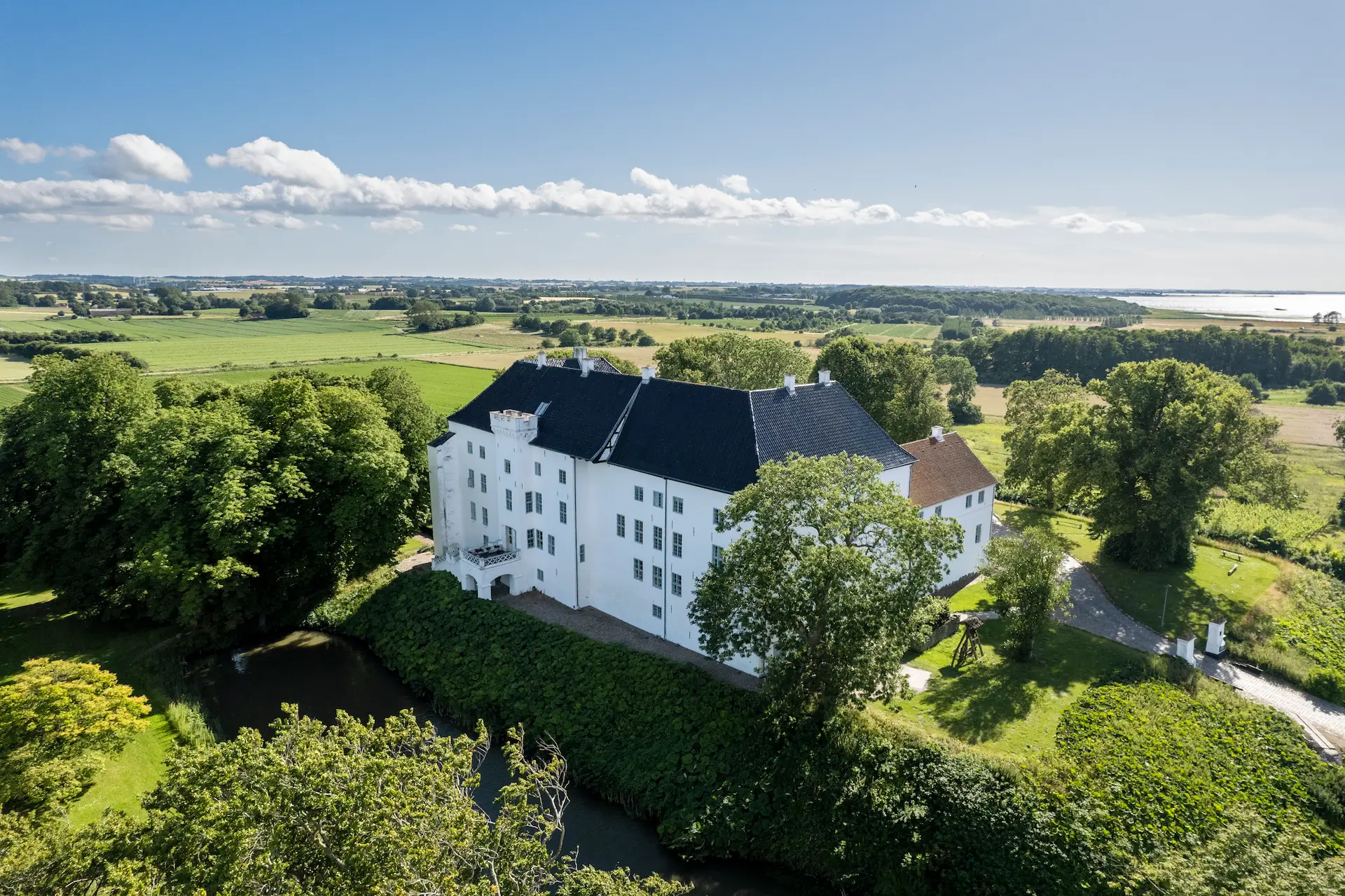

Dragsholm Slot – Gateway to Odsherred
With its long history, Dragsholm Slot offers a rich legacy.
The castle in scenic Odsherred is one of Denmark’s oldest, dating back more than 800 years. Over the centuries, wars have raged, the Castle Chapel has been the setting for aristocratic weddings, and prominent prisoners have been led across the castle courtyard. Today, Dragsholm Slot serves as a hotel with 41 double rooms, several renowned restaurants, and facilities for private events, meetings and conferences as well as a chapel for weddings and religious services.
We are dedicated to offering our guests total immersive experiences. Our aim is to preserve and pass on the authenticity, heritage and character of the area, while at the same time connecting the castle and its cultural heritage with the aesthetics and modern comforts of the 21st century.
At a glance
A historic castle hotel with Danish heritage
The original Dragsholm
From bishop’s residence to hotel and gastronomic destination, discover the defining moments that have shaped Dragsholm Slot.
1215
The first Dragsholm
Dragsholm was most likely built around 1215 as a palatium rather than a castle. Architectural details suggest a connection to Roskilde Cathedral. The earliest structure consisted of a southern wing with living quarters, a kitchen, and a grand hall with a high ceiling.
1300s–1400s
From palace to fortress
Over the following centuries, Dragsholm was gradually expanded into a four-winged fortified castle. The walls were strengthened, the windows reduced in size, the moat widened, and the complex took on a more defensive character.
1535
The Count’s feud
During the Count’s Feud, Dragsholm was besieged for several months. The castle was fired upon, but it was never stormed. It therefore remained under the bishop’s control until the shift in power that followed the Reformation.
1536
From Bishop’s residence to royal castle
After the Reformation, Dragsholm passed from the Bishopric of Roskilde to the Danish Crown. It became a royal fief and part of a strengthened monarchy.
1536–1664
Royal fief and state prison
During this period, Dragsholm served both as an administrative royal fief and as a prison for noble and clerical prisoners. Among the best-known names are Joachim Rønnow and James Hepburn.
1657–1660
War and destruction
During the Dano-Swedish Wars, Dragsholm was occupied, and around the peace settlement in 1660 parts of the castle were blown up. The damage left its mark on the estate for many years to come.
1694–1697
Adeler and the reconstruction
Frederik Christian Adeler took over Dragsholm in 1694. The rebuilding was completed in 1697, giving the castle its Baroque expression with whitewashed walls, hipped roofs, and a more symmetrical courtyard.
1785
Adelersborg
Dragsholm was first elevated to a barony and, in 1785, renamed Adelersborg. The change of name marked a new chapter in the castle’s history under the Adeler family.
1868
The return of the name Dragsholm
Georg Frederik Otto Zytphen-Adeler reinstated the name Dragsholm Slot. During the same period, he was also among the initiators of the reclamation of Lammefjorden, which changed the surrounding landscape significantly.
1937
From castle to hotel
Following a change of ownership and the subdivision of the estate lands, Dragsholm was sold to Johan Frederik Bøttger. The castle was subsequently leased for hotel operations and has since served as a place of hospitality and stays, with the exception of the final years of the German occupation.
2005–2006
A new chapter at the Castle
Mads Hylleholt Bøttger joined as director in 2005. In 2006, the cellar level was inaugurated with a reception, kitchen, and gourmet restaurant, significantly strengthening Dragsholm’s gastronomic profile.
Today
History, gastronomy, and hospitality
Today, Dragsholm Slot is a historic hotel with restaurants, stays, private events, meetings, and a church. Its ambition remains to unite historical authenticity with contemporary comfort, gastronomy, and hospitality.
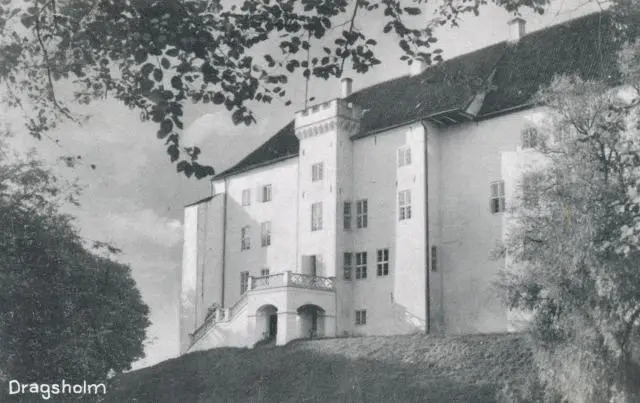


Experience Dragsholm Castle
Plan your stay and discover more than 800 years of history at one of Denmark's oldest castles.